

Is the Answer to America’s Soil Decline Found in Nature, Not Synthetics?
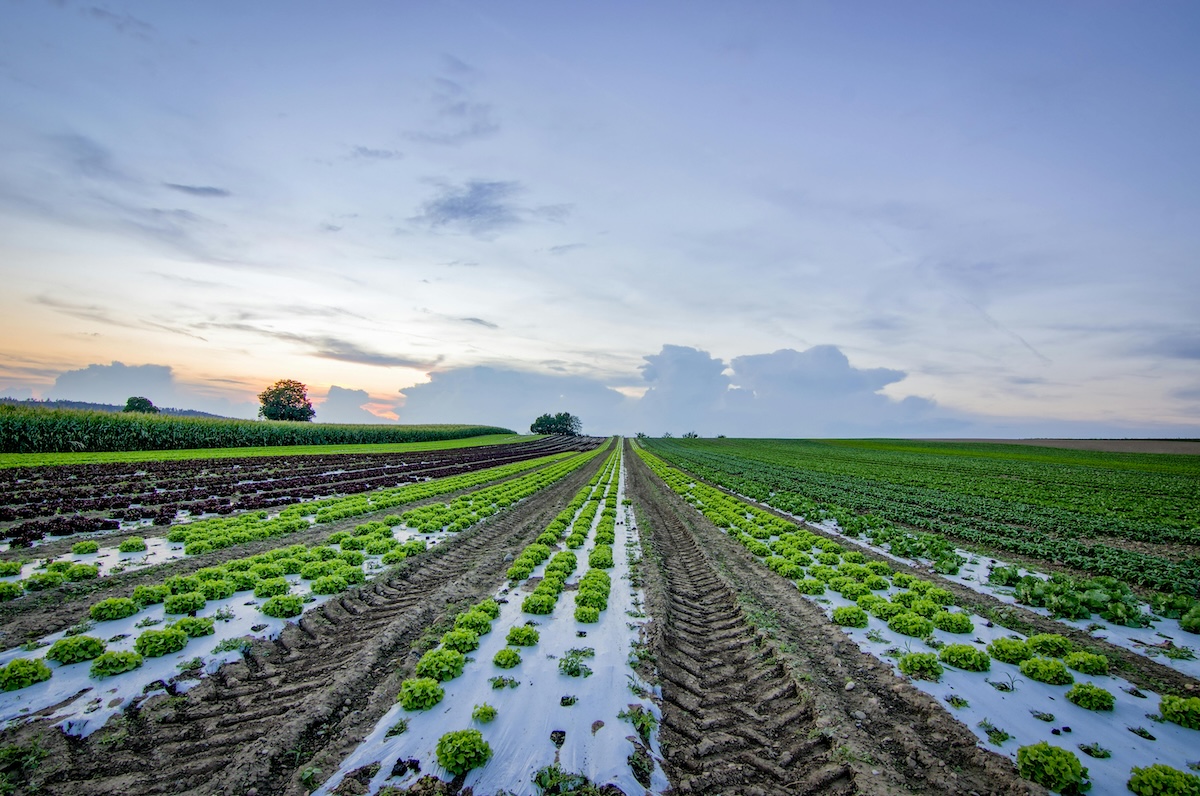
Healthy soil and early root development are critical for crop resilience as climate pressures intensify across U.S. farming regions.
New research highlights how liquid seaweed concentrates may support soil biology, boost root development, and help farmers adapt to climate and soil challenges.
Farms run on living systems, not just chemistry. Liquid seaweed concentrates work best when paired with practices that protect soil cover, feed biology, and reduce stress on roots.”
CAPE TOWN, WESTERN CAPE, SOUTH AFRICA, December 1, 2025 /EINPresswire.com/ -- World Soil Day (5 December) is a reminder that every harvest starts underground. Yet across America’s major growing regions, soils are asked to do more with less organic matter, less water-holding capacity, and less margin for error in a climate that’s getting hotter and more unpredictable.— Linda Greyling, Head of Technical Support at Kelpak®
A remote-sensing study of the Corn Belt found that about 35% of cultivated land has lost its A-horizon topsoil – the richest layer for fertility and moisture. Once that layer is depleted, fields become more vulnerable to drought, compaction, and nutrient loss.
Climate change compounds the risk. The U.S. EPA notes that rising temperatures, shifting rainfall, and more frequent extremes are already disrupting crops, livestock, soil, and water resources nationwide.
In 2025, farmers have navigated climate volatility, soil degradation, water constraints, labor shortages, input-cost pressures, market uncertainty, and tighter sustainability expectations. Soil sits at the center of all of it. When soil function declines, costs rise and resilience drops.
The Food and Agriculture Organization of the United Nations’ 2025 State of Food and Agriculture report estimates that 1.7 billion people live in areas where human-driven land degradation is already lowering crop yields. The U.S. is part of a wider food-security and climate-resilience calculation.
That’s why soil restoration is moving from a “nice-to-have” to a business necessity. Regenerative practices (cover crops, reduced tillage, mulching, diversified rotations, and careful traffic management) are expanding across the U.S. because they rebuild organic matter and protect soil biology. Liquid seaweed concentrates made from natural kelp species are increasingly used as complementary tools to support early root development and help crops handle stress.
One such source of liquid seaweed concentrate is derived from Ecklonia maxima, a kelp species naturally rich in plant hormones. Its role is to improve plant and soil functioning, particularly around roots, when paired with sound agronomy.
New research helps us understand how seaweed-based products may affect soil life. In a peer-reviewed lab study from the University of Agriculture in Krakow, scientists tested Kelpak SL (derived from the seaweed Ecklonia maxima) and found that it changed how different fungi grew and reproduced.
At low doses, it strongly boosted a helpful fungus, Trichoderma harzianum, increasing its reproduction by about 293%. It also slowed down harmful fungi: Fusarium poae by roughly 25% and Verticillium dahliae by about 74.5%.
The extract also reduced V. dahliae reproduction (by about 70–79%). However, the results varied depending on the type of fungus and the amount of extract used, so real, on-farm field trials are still needed to confirm what happens in soil.
In other words: these extracts don’t “kill disease” like a fungicide, but they may help tilt the soil biology toward more resilient, balanced microbial communities.
That aligns with what farmers are experiencing in the field. In a macadamia orchard interview, a grower described increasing weather variability, pressured fertility, and the need to move from purely conventional inputs toward regenerative, soil-first approaches to stay productive. Crops and geographies differ, but the theme is universal: resilience comes from rebuilding soil so plants can cope with stress before it shows up in yield maps.
“World Soil Day is a reminder that farms run on living systems, not just chemistry,” says Linda Greyling, Head of Technical Support at Kelpak. “Liquid seaweed concentrates aren’t a silver bullet. They’re most effective alongside practices that protect soil cover, feed biology, and reduce stress on roots. Our focus is practical evidence that helps farmers apply natural tools where they make agronomic sense, year after year.”
When integrated thoughtfully into regenerative programs, liquid seaweed concentrates may help:
• support beneficial microbes like Trichoderma and rhizobia in the root zone;
• promote stronger, deeper roots for better water and nutrient uptake;
• improve crop tolerance to heat or drought stress when paired with moisture-conserving practices;
• work alongside seed treatments or microbial inoculants under proper guidance.
Healthy soil is one of America’s most strategic resources. Chemistry alone won’t rebuild topsoil or buffer farms against climate extremes. If U.S. agriculture wants reliable yields in the decades ahead, soil biology must be part of the solution and liquid seaweed concentrates are one practical, natural way to help get there.
Sonja Bezuidenhout
Hatch Communication
email us here
Legal Disclaimer:
EIN Presswire provides this news content "as is" without warranty of any kind. We do not accept any responsibility or liability for the accuracy, content, images, videos, licenses, completeness, legality, or reliability of the information contained in this article. If you have any complaints or copyright issues related to this article, kindly contact the author above.
